
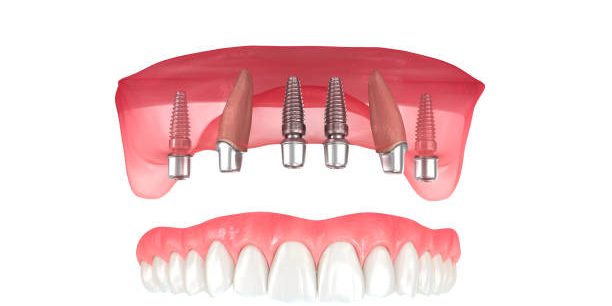
If you’re considering the All-on-4 procedure for extensive tooth loss, understanding what changes to expect before and after treatment can help you make an informed decision. This comprehensive guide explores the physical, functional, and lifestyle transitions associated with All-on-4 dental implants.
Understanding the All-on-4 Procedure
All-on-4 dental implants is a treatment approach where a full arch of prosthetic teeth is supported by four strategically placed dental implants. This technique was developed to provide a fixed tooth replacement solution for patients missing most or all teeth in one or both arches.
The procedure involves placing two implants vertically in the front of the jaw and two at angles in the back, maximising contact with available bone. This strategic positioning often eliminates the need for bone grafting procedures that might otherwise be required.
Before Treatment: Initial Conditions
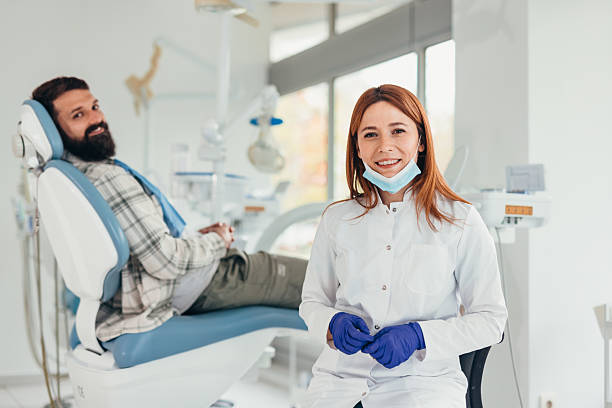
Patients considering the All on 4 procedure typically present with:
- Multiple missing or severely damaged teeth beyond restoration
- Failed dental work (bridges, dentures) no longer functioning adequately
- Bone loss concerns affecting traditional implant options
Functional Limitations
Before treatment, patients commonly experience:
- Difficulty chewing certain foods
- Speech changes or unclear pronunciation
- Denture slippage and discomfort
- Dietary restrictions avoiding hard or chewy foods
- Self-consciousness about dental appearance
Assessment Process
An All On 4 dentist conducts evaluation including:
- Complete oral examination and medical history
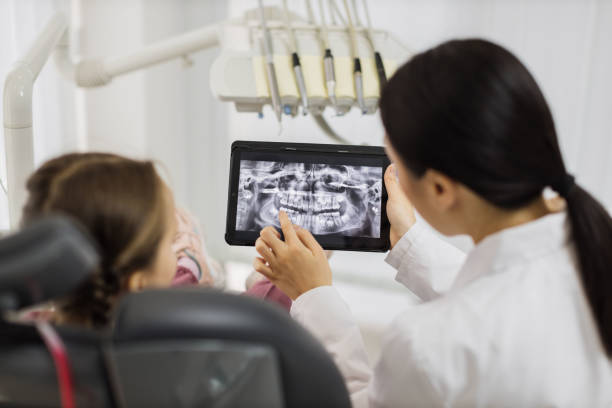
- 3D imaging (CBCT scans) for bone assessment
- Discussion of treatment goals and expectations
- Health factors affecting healing
This determines whether the All on 4 approach suits your specific situation.
Read more: What to Expect During the Dental Implants Procedure
Immediate Changes After Treatment
The Day of Surgery
The All on 4 procedure typically involves:
- Removal of any remaining non-restorable teeth (if applicable)
- Placement of four dental implants per arch
- Attachment of a temporary prosthetic bridge on the same day
Immediate Physical Changes:
- Swelling and bruising in the treatment area (normal healing response)
- Some discomfort managed with prescribed medications
- Temporary dietary restrictions to soft foods
- Initial adjustment period to the new prosthetic teeth
First Few Weeks
During the initial healing phase:
Physical Healing: Soft tissues begin recovering around the implants. Swelling typically subsides within 7-10 days. Most patients return to normal daily activities within a few days, though complete soft tissue healing takes several weeks.
Functional Adjustments: You’ll adapt to speaking and eating with your temporary prosthetic. Speech may sound slightly different initially but typically normalises as you adjust. Eating remains limited to soft foods during this period.
Oral Hygiene Adaptation: Learning proper cleaning techniques for your new implants and prosthetic is essential during this phase.
Changes During the Integration Period
Three to Six Months Post-Procedure
This period involves osseointegration, where the implants fuse with your jawbone.
What’s Happening: Bone cells grow around the titanium implants, creating a stable foundation. This process occurs gradually and doesn’t cause discomfort.
Your Experience: You’ll continue wearing the temporary prosthetic and gradually expand your diet as healing progresses. Regular check-ups allow your All On 4 Expert to monitor integration progress.
Progressive Improvements: As you become accustomed to the temporary teeth, speaking becomes more natural and confidence in eating increases.
Final Prosthetic Placement
Once osseointegration is confirmed (typically 3-6 months), the temporary prosthetic is replaced with the final restoration.
The Final Prosthetic:
- Custom-designed based on your facial structure and preferences
- Made from durable, aesthetic materials
- Precisely fitted for optimal function and comfort
- Designed for long-term use with proper maintenance
Long-Term Changes: Life After All-on-4
Functional Improvements
Research and clinical experience indicate that many patients report:
Enhanced Chewing Ability: Capacity to eat a wider variety of foods compared to removable dentures, though individual experiences vary.
Improved Speech: Speech clarity may improve compared to loose dentures, though results differ individually.
Stable Restoration: All-on-4 dental implants remain fixed in place, eliminating concerns about slippage during eating or speaking.
Dietary Expansion: Gradual return to most foods, though extremely hard items may still require care.
Lifestyle Adjustments
Oral Hygiene: Daily care differs from natural teeth. Clean around implants and under the prosthetic using specialised techniques.
Professional Care: Ongoing appointments every 3-6 months for cleaning and monitoring are typically recommended.
Dietary Considerations: Avoid extremely hard items (ice, hard candy, unpopped popcorn) to protect the prosthetic.
Physical Changes Over Time
Facial Support: The prosthetic provides support to facial structures, which may affect appearance compared to being without teeth.
Bone Preservation: Implants stimulate jawbone, potentially helping maintain bone volume better than removable dentures, though individual responses vary.
Ongoing Adaptation: Most patients report increasing comfort and naturalness over time.
What Doesn’t Change
It’s important to understand the limitations of All-on-4 treatment. While functional, All-on-4 dental implants are prosthetic teeth, not natural teeth. Sensation differs from natural teeth, and they require different care approaches. Professional monitoring and home care remain necessary throughout your life. Like any medical or dental treatment, complications are possible and may require additional interventions. Your specific experience may differ from others based on healing capacity, bone quality, overall health, and adherence to care recommendations. Understanding these limitations helps set realistic expectations for treatment outcomes.
Making an Informed Decision
All-on-4 offers potential benefits including fixed tooth replacement, improved eating ability, and no daily removal. However, it involves surgical risks, significant financial investment, ongoing care requirements, and a healing period with restrictions. Individual results vary, and no specific outcomes can be guaranteed.
Why Choose Us for All-on-4 Treatment
At Sydney Implant Studio, our team has advanced training and extensive experience with the All on 4 procedure. We use modern diagnostic technology for comprehensive assessments and customise treatment plans based on your individual needs. From initial consultation through long-term follow-up, we provide ongoing support and patient education to help you make informed decisions. While we’re committed to evidence-based care, we cannot guarantee specific outcomes as individual results vary.
Is All-on-4 Right for You?
Only a qualified All On 4 dentist can determine whether this treatment approach suits your individual circumstances. Factors to discuss include:
- Your specific oral health status
- Medical history and current health conditions
- Treatment goals and expectations
- Alternative options available
- Timeline and financial considerations
- Your ability to commit to required maintenance
Take the First Step Towards a Complete Smile
Considering All-on-4 dental implants? Book your consultation for a comprehensive assessment. We’ll evaluate your individual situation and discuss suitable full-arch tooth replacement options. Call: 02 9186 3885 We’ll evaluate your individual situation, discuss treatment options, answer your questions, and help you make an informed decision.
Disclaimer
All content on this website is intended for general information and does not replace professional dental consultation.